
Category: The Internet of Communities
-

In previous articles, I argued that for AI to be green, it needs to be trustworthy (which is why Dedoctive exists). But why do we even need AI? Would the world be greener, and perhaps better off altogether, if AI didn’t exist? Shown below are current estimates of world population growth, showing how it’s slowing…
-
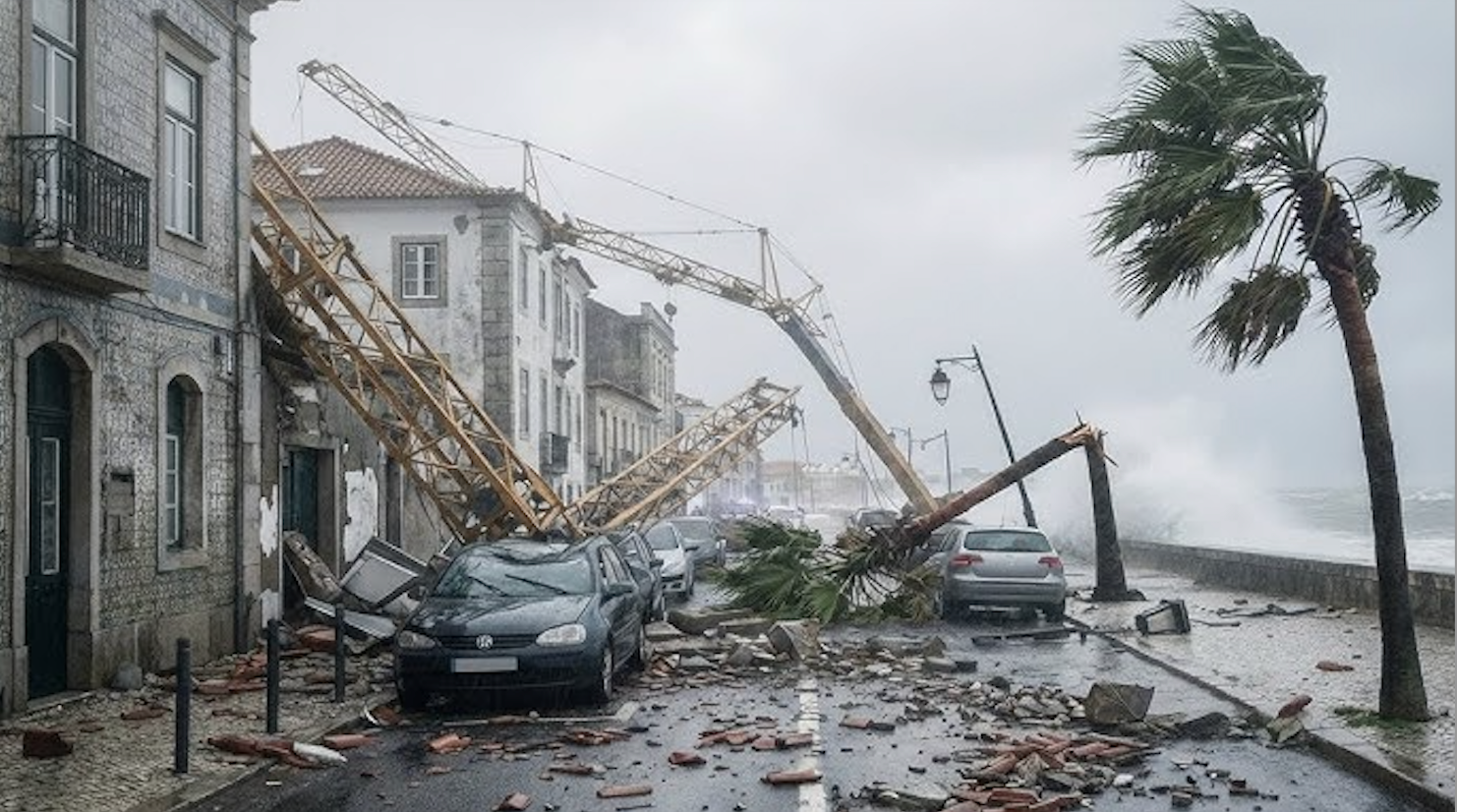
Strengthening Municipal Preparedness Cities and regions have always faced risks, and always needed to prepare. But now that climate change is generating such an increase in threat levels, and in threat frequency, is it time to take a fresh look at municipal risk management? The challenge is not to create adequate documentation. If anything, there…
-

Part 5 of 5 in a blog series looking at AI’s journey since the release of ChatGPT in November 2022. In the working world, there’s a secret sauce to sustainability: trust. Without it, every decision has to be verified, safeguarded, and hedged. That takes time, costs money, and burns energy. This matters enormously for AI.…
-

Part 4 of 5 in a blog series looking at AI’s journey since the release of ChatGPT in November 2022. In the last instalment of this blog series, we saw how the real framing of the AI sustainability question is this: “Does AI reduce the total energy required to achieve meaningful outcomes?” To answer this…
-

Part 3 of 5 in a blog series looking at AI’s journey since the release of ChatGPT in November 2022. In this article, I’ll start looking at another issue with modern AI: the electricity it consumes. The part of the story that’s easy to grasp is huge data centre facilities. You can assess the impact…
-
Part 2 of 5 in a blog series looking at AI’s journey since the release of ChatGPT in November 2022. After November 2022, many people who normally acted with care and caution seemed to lose the plot. It was clear that Large Language Models (LLMs) were often misleading or just plain wrong. The ChatGPT user…
-

Part 1 of 5 in a blog series looking at AI’s journey since the release of ChatGPT in November 2022. In the noughties, I started blogging about the action research into collaboration I had been conducting for over a decade. Following an approach from a US publisher, my first book, “Human Interactions”, was published in…
-

In 2005, my first book Human Interactions was published. Astonishingly, at the time it was the first (and possibly may still be the only) formal theory of collaborative human work – a mathematical account of how people actually work together to get things done, and how to do it more effectively. Over many following years…
-

We need the trades back, front and foremost in our national consciousness, and with a fresh new look. AI can’t fix your roof yet, and it may never make sense to ask it to. But AI can make sure that someone is available to go up on a roof, they bring the right tools and materials, they…
-

In my home town, a large riverside area of disused factories in wasteland has the potential for equitable housing and economic regeneration in the midst of natural beauty. How exactly to achieve this goal has been the subject of debate for many years. Recently, to much local rejoicing, the debate was finally resolved in favour…